Blog
Our Latest Blog Posts
We wish to build the simplest and most deployable AI inspection system for modern production environments.
by Carl Fagerlund
03 Jul, 2026
2 min read
Dansk Industri: Deepvis Secures Production Quality With Vision AI
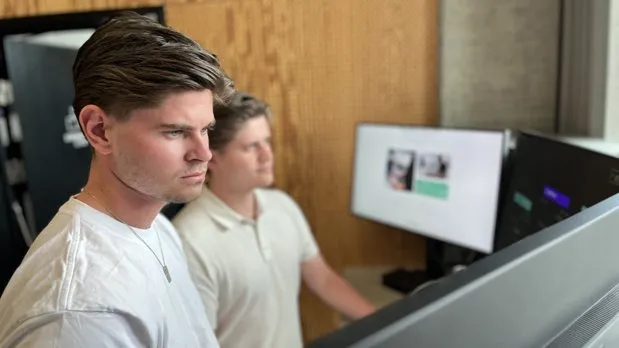
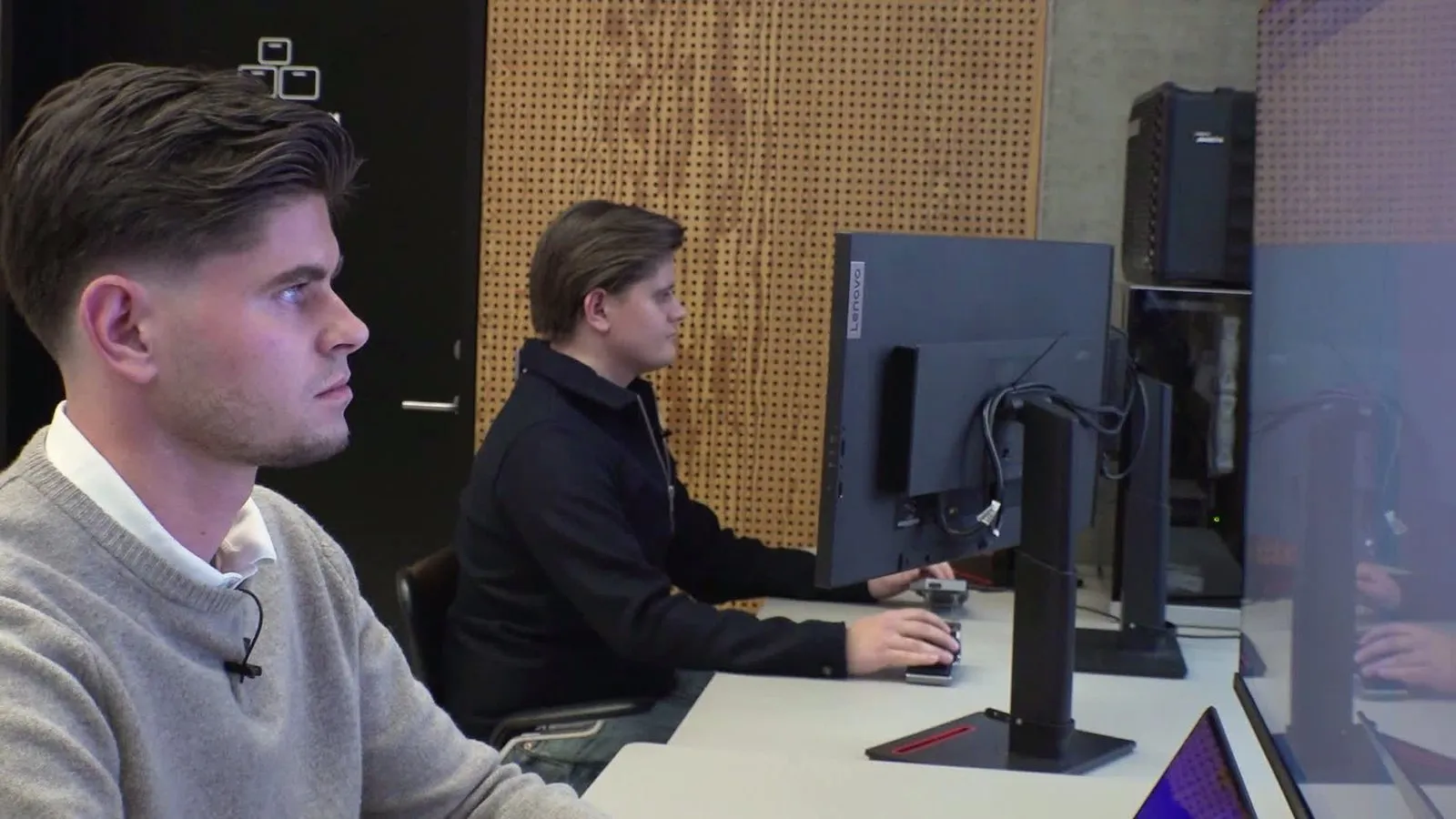
Image: Dansk Industri. Dansk Industri added Deepvis to its AI for alle case archive, as an example of how Vision AI can move quality control closer to the production line and give companies a better basis for managing quality. The problem the case opens with How do you assure the quality of a product when the line makes thousands of parts an hour? For many companies the answer is still spot checks, manual inspection and experienced employees who know what to look for. That works in plenty of situations. But when volume is high, materials vary, and customers demand more documentation, spot checks quickly become a fragile method. A startup built on experience from the production floor At our father's plastics factory, Carl worked with stock and tooling, Mads with automation systems and IT. The academic profiles differed too — Carl read business economics, Mads trained as a software engineer. That combination of business understanding, software skills and hands-on production experience is what made the idea workable. We had tried to find a vision system that could catch faults on the plastic parts in production, and could not find one that met the need. So Mads took it on himself: bought a camera, started collecting images from the factory, and began training an AI vision model. It took him about 14 days to get the prototype recognising several different fault types — specks, scratches, folds and general variation in cleanliness. That success is what pulled us both into the company full time. Why the models were rebuilt from the ground up We have gone further than the readily available path. In several cases we have trained models entirely from scratch and worked directly with the models' underlying infrastructure. The purpose was to be able to port the models so they run in deterministic software in real time — software that reacts predictably and immediately, every single time. That property is decisive when AI has to sit inside an industrial production line, where the decision to accept or reject a part is made in fractions of a second. Source: Dansk Industri — "Deepvis sikrer produktionskvaliteten med Vision AI", 3 July 2026. Includes a video conversation between DI's Michael Øhlenschlæger and Carl Fagerlund. Quotes translated from Danish.
by Carl Fagerlund
10 Jun, 2026
1 min read
Nordjyske: The Point Where Many Startups Stall
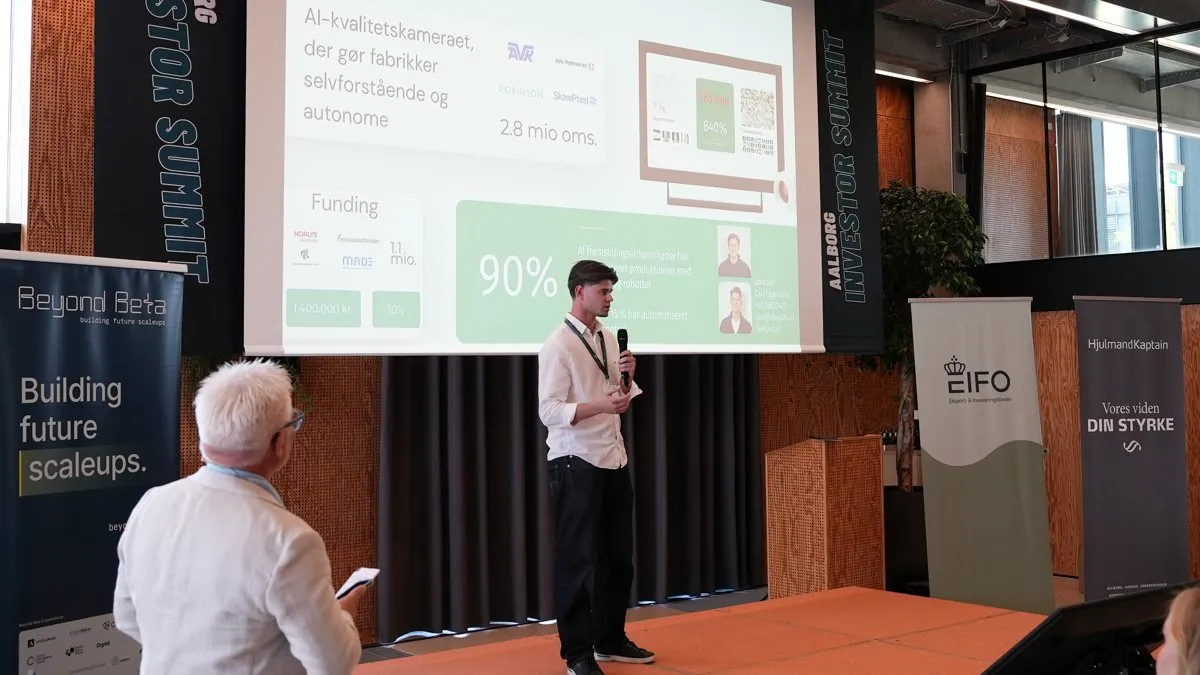
Carl Fagerlund pitching Deepvis at the Investor Summit, AAU Innovate. Photo: Victor Ørgaard Andersen / Nordjyske. Nordjyske ran Deepvis as the opening case in its series Jagten på større virksomheder — the hunt for bigger companies — on what stops promising North Jutland startups from scaling. The framing is one we recognise: a few years ago we stood at the family plastics factory sorting defective products out by hand. Now we were pitching Deepvis at this year's Investor Summit at AAU Innovate, trying to reach the next goal — to scale. The piece asks two questions worth sitting with:What does it actually take to go from promising technology to a growth company? And is that a transition we struggle with particularly here in the region?We founded Deepvis in 2024. The technology and the first customers are in place. Scaling is the part in front of us, and the article is honest that it is easier said than done. Source: Nordjyske — "Deepvis er nået til et punkt, hvor mange startups går i stå. Men hvad er det, der bremser de nordjyske virksomheder i at skalere?" by Victor Ørgaard Andersen, 10 June 2026. Photo: Victor Ørgaard Andersen. The full article is behind Nordjyske's paywall — this note covers only the freely available portion.
by Carl Fagerlund
18 May, 2026
3 min read
Brothers Got Tired of Manual Quality Control — Now They Automate It for Others
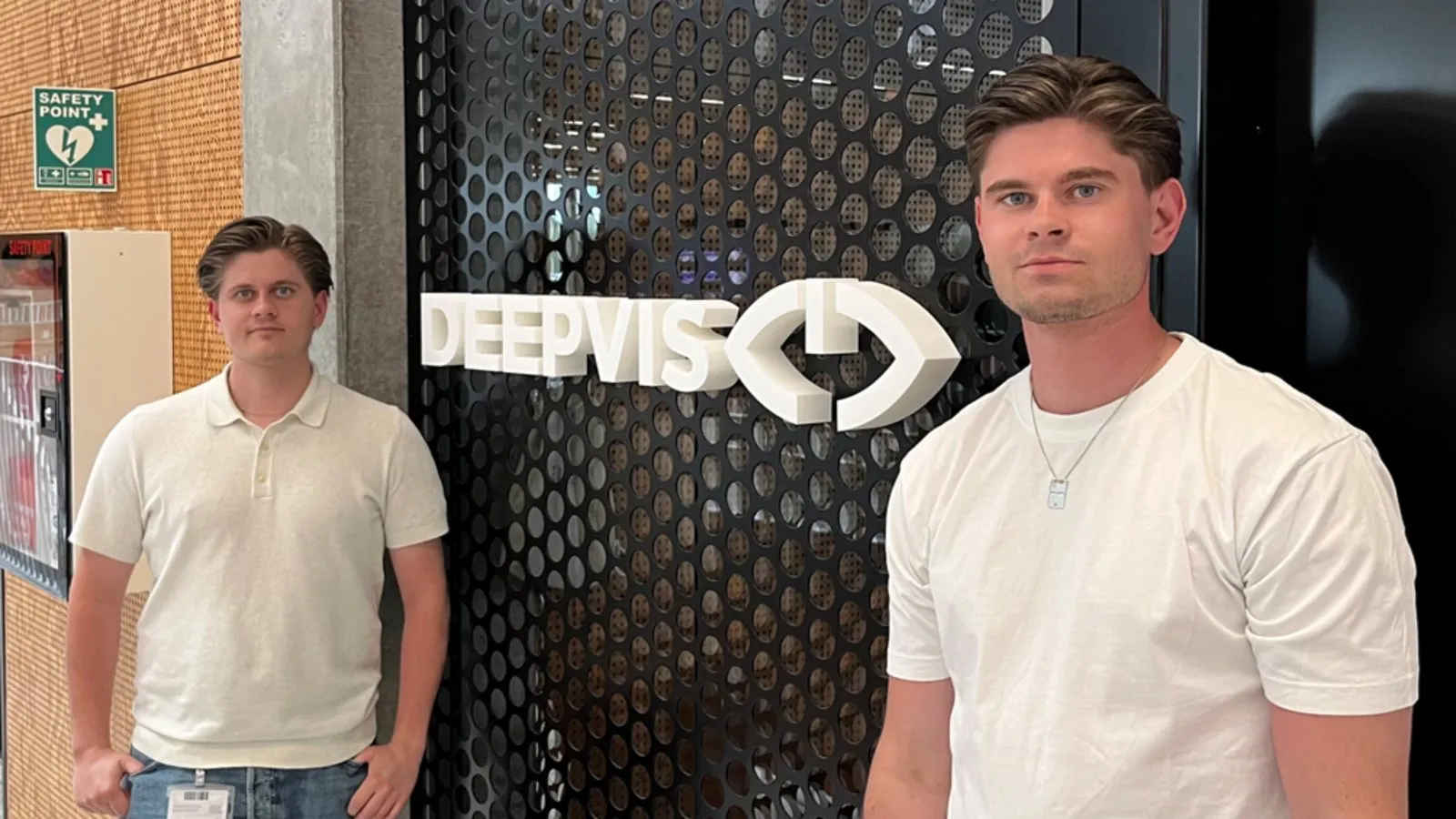
Carl and Mads Fagerlund. Photo: BugiVugi Kommunikation / DI Produktion. At the family plastics factory, Carl and Mads Fagerlund spent stretches of time sorting faulty plastic products out by hand. The work was monotonous and demanded full concentration. At some point they agreed it had to be possible to do it more intelligently — so they started experimenting with cameras and artificial intelligence to get a computer to spot the faults itself. That was the start of Deepvis. Knowing the problem from the factory floor Neither of us comes from the software industry. We come from production. For several years we worked at Kifa Plast, the family plastics factory, handling quality control of recyclable plastic cups for large brands. In periods we manually sorted out defective products, where even small scratches, marks or production faults could mean an entire batch had to be checked by hand again."So we have felt the consequences up close." — Carl Fagerlund, CEO and co-founderThe factory work also showed how hard consistent quality control is when the assessments are made manually, employee to employee."We wanted to build the system we ourselves were missing back then. Something fast, simple and intuitive to use for the operators standing at the machines every day, without external specialists having to be involved." — Carl FagerlundMaking quality control simpler Automated camera-based quality control already exists. The problem is that traditional solutions usually need specialists, extensive algorithm programming and large volumes of training data — with heavy costs both to implement and to run. And when production changes or new fault types appear, the systems often have to be reconfigured by hand. That complexity is what we set out to remove. The system works as an extra set of eyes on the production line, with cameras analysing products continuously. Instead of being programmed for each individual fault, it learns the normal patterns in production and reacts to deviations. That makes it flexible in production with recycled plastic — where colours, structures and surfaces vary batch to batch — and in welding, where small variations can be acceptable from part to part. A bottleneck many are fighting Large parts of industry are automated, but visual quality control is still done manually by spot check in many places. That means companies often only inspect a small fraction of what leaves production — while pressure rises from documentation requirements, labour shortages, and greater demands for traceability and consistent quality. Tested in industry The technology has been tested with Johannes Pedersen Maskinfabrik in Viborg through MADE, Manufacturing Academy of Denmark. The company makes bicycle holders for trains, where thousands of welds have to be checked."Our operator gets very tired if he has to inspect 5,000 parts. With more orders the pressure rises, and then it becomes hard to keep up." — Falko Thuesen, Purchasing Manager, Johannes Pedersen MaskinfabrikIn the test, the system assessed the welds the same way the company's welding coordinator did in 90.2% of cases. In several instances it found faults the manual inspection had missed. From test to customer Deepvis was founded in 2024 and has its first paying customer in AVK Plast."We are very satisfied with the collaboration with Deepvis and the two founders." — Claus Koch Jensen, CEO, AVK PlastThe work now runs across several pilot projects in both the plastics and metals industries, with the focus on scaling. Sources: Ligeher.nu — "Aalborg-brødre blev trætte af ensformigt arbejde: Så tog de sagen i egen hånd", 18 May 2026; DI Produktion — "Brødre blev trætte af manuel kvalitetskontrol. Nu automatiserer de den for andre", 27 May 2026; also covered by TechSavvy. Photos by BugiVugi Kommunikation. Quotes translated from Danish.
by Carl Fagerlund
03 Feb, 2026
3 min read
AI Removes a Bottleneck at Johannes Pedersen Maskinfabrik
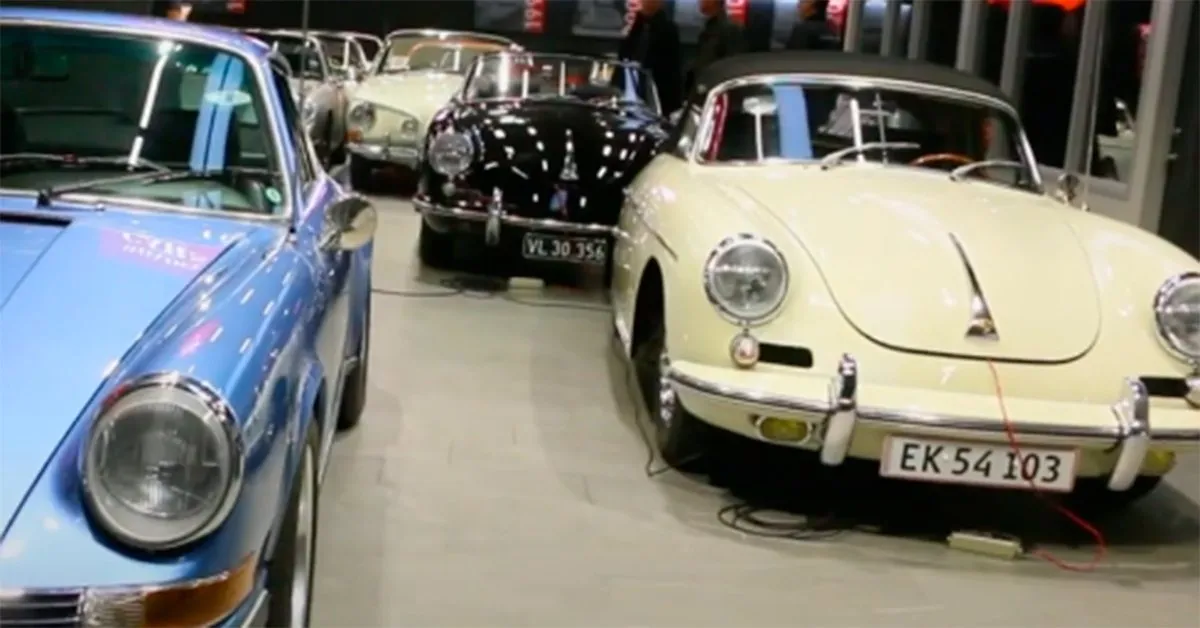
Image: MADE. Machine works Johannes Pedersen Maskinfabrik and Deepvis have run a joint project to bring AI vision to weld inspection — and the result is a bottleneck removed and a door opened to bigger orders. The problem: 5,000 parts, inspected by eye Johannes Pedersen Maskinfabrik supplies parts including bicycle holders for Copenhagen's S-trains. Every weld is inspected manually today, and a single bicycle holder can carry up to 12 welds."The operator gets very tired if he has to inspect 5,000 parts and just as many welds on the plate." — Falko Thuesen, Purchasing Manager, Johannes Pedersen MaskinfabrikLarge orders were arriving faster than manual inspection could clear them. How the two met Falko Thuesen met Deepvis at a network meeting through AddSmart, the EU co-financed digitalisation hub in North Jutland. The technology had not yet been tested in the metals industry, so the two agreed to apply for a MADE Kickstart project — the scheme that supports companies testing new technology."We have documented the effect we have had with many of our customers in the plastics industry. Now we are trying to transfer the same model know-how to the metals industry. If we can prove it does the same — and get it approved for visual inspection — it opens a new market where we can serve the metals industry." — Carl Gustav Fagerlund, co-founder of DeepvisThe vision system sits in a black box that travels back and forth on a rail; a hole in the box lets the carriage pass over the tube. What the numbers look like Trained on just 25 metal tubes, the system reaches confidence levels around 95% on the majority of assessments — its certainty that a weld is of approved quality. Lower confidence levels, down to roughly 75%, are used to surface the handful of critical welds where the uncertainty is greatest, so a human looks exactly where it matters. With production running at 400–500 tubes a month, the incoming images were expected to sharpen the model further within the first 14 days. Part of why it works with so little data is that the model learns what good looks like, rather than learning to recognise faults:"With many varying defects — when you weld, for instance, no two welds look alike. It is a huge advantage that you simply define the good parts, and do not have to keep configuring every new defect." — Carl Gustav FagerlundToward accreditation The system is under accredited assessment at Nordjysk Svejse Kontrol A/S, which has already given a positive indication that it will be approved for inspection at the same level as a certified welding inspector."The advantage of automating quality control is that you secure consistent, good quality. We can document it, and we can take time pressure off our welding coordinators and improve the working environment, because he no longer has the very demanding job of looking extremely closely for very small holes in a weld." — Falko ThuesenAnd on what it unlocks commercially:"We can take in larger orders, because we no longer have a bottleneck called weld coordinates." — Falko ThuesenWhat comes next The next steps are testing welds in bent tubes, and finding a way to test for faults where the eye cannot reach — inside the weld itself — for an even stronger quality test.About Johannes Pedersen Maskinfabrik. Founded in 1975 by Johannes Pedersen, headquartered in Viborg, Denmark. The company produces body parts, exhaust systems and oil and fuel tanks for the automotive industry, including for classic cars, and manufactures components for the rail industry. It is part of JP Group Holding a/s and operates globally with advanced machining and assembly facilities. About AddSmart. A European digitalisation hub helping SMEs become more digital and innovative, started in October 2022 and co-financed by the EU. Partners include Erhvervshus Nordjylland, MADE, Digital Lead, UCN, TechCollege, NordDanmarks EU-Kontor, Aalborg University and Enterprise Europe Network. Source: MADE — "AI-løsning fjerner flaskehals på maskinfabrik – kan nu tage større ordrer", 3 February 2026. Also covered by Erhvervshus Nordjylland. Quotes translated from Danish.
by Carl Fagerlund
09 Dec, 2025
1 min read
TV2 Nord: Twins' Invention Can Keep Jobs on Danish Soil
Image: TV2 Nord. TV2 Nord visited Aalborg to cover a week in which Deepvis won two prizes: the Fynske Bank startup prize of DKK 100,000 and a DKK 250,000 grant from Det Obelske Familiefond. The company was a little over a year old. Where the idea came from"We had to inspect some cups we had made for Tuborg/Carlsberg, with all sorts of different faults on them. That was where we agreed there had to be an easier way of doing it." — Carl Fagerlund"One thing is that we are extremely capable, but it is also about how we get it communicated. Getting these prizes is a huge validation." — Carl FagerlundWhy recycled plastic changes the maths Plastics production is characterised by high volumes of cheap units — checking every single product has simply been too expensive. But an EU directive requires that by 2038, 80% of the plastic used must come from recycled plastic, and recycled feedstock generates more faults. So more has to be checked, and more checking is expensive in a country with high wages. Which is the argument for automating it:"It means the manufacturing companies in the country can keep their orders, and that we can keep production here in Denmark instead of it being moved out of the country." — Mads FagerlundAfter plastics, the plan is to extend the same quality control into electronics and metals. Source: TV2 Nord — "Tvillingers opfindelse kan holde arbejdspladser på dansk grund" by Tommy Hald, 9 December 2025. Quotes translated from Danish.
by Carl Fagerlund
02 Dec, 2025
2 min read
More Than the Prize Cheque: What Deepvis Took Home From Startup Lab
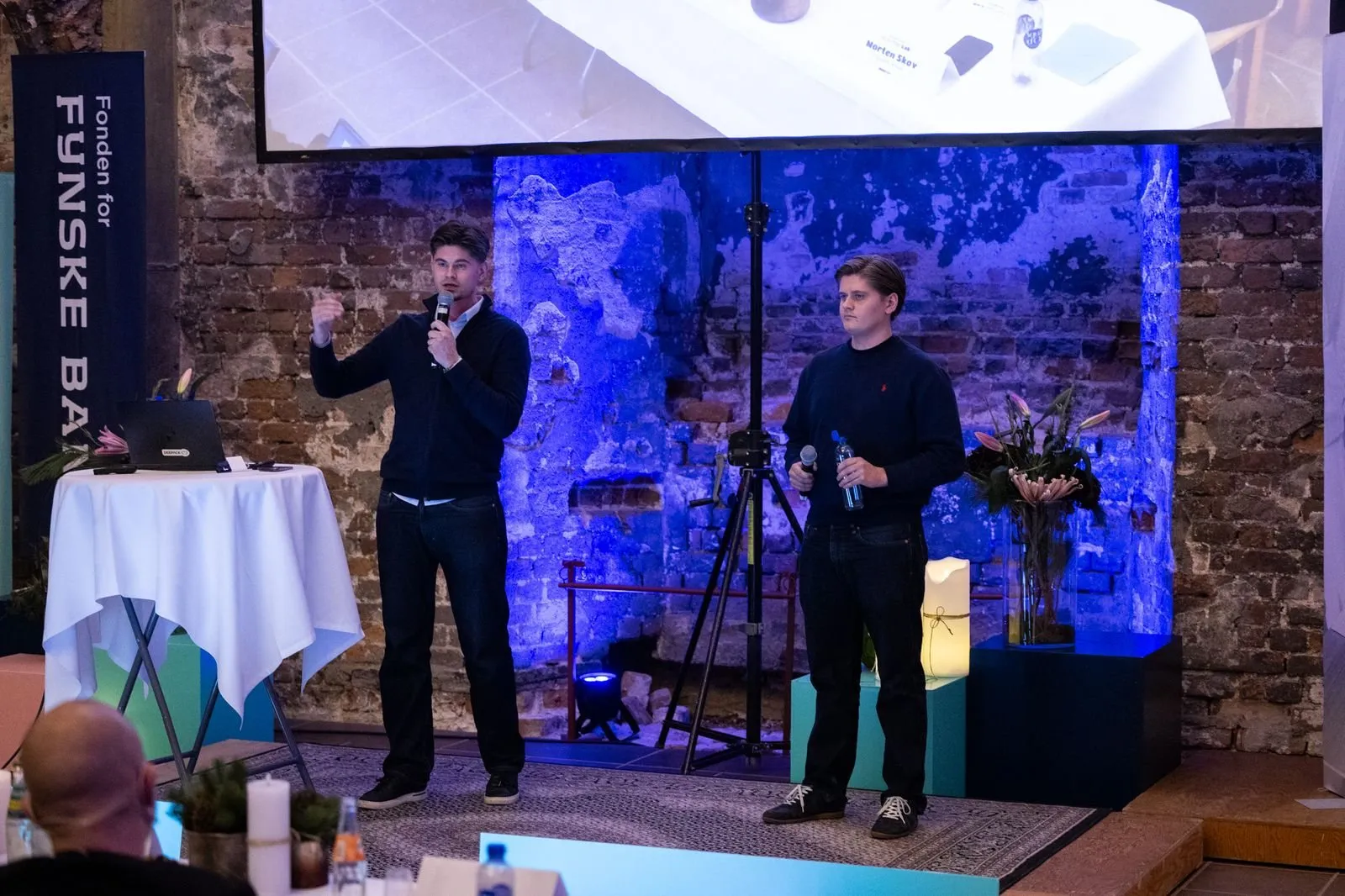
Carl and Mads Fagerlund pitching in the Startup Lab final at Koldinghus. Photo: Fynske Bank. Fynske Bank published a follow-up to the Startup Lab final, and it lands on the part that mattered most to us — which was not the cheque. Seven of the country's most promising startups pitched at Koldinghus for a combined DKK 150,000. More than 50 companies had entered the opening pitch rounds in Kolding, Odense and Aarhus; 13 went through to an intensive business-development programme of two workshops and a bootcamp at Houens Odde, and that field was cut to the seven finalists. The juror we had our eye on Before pitching, we had already singled out one member of the panel: Ehsanullah Ekhlas, co-founder of Odense growth company Unicontrol, which makes sensors for excavators and sold to US-based Spectra Precision for a nine-figure DKK sum in a handful of years."When the jury panel was announced, I read the whole story about Ehsan and Unicontrol and was very impressed by the company's development, and that they managed to reach the market in 28 countries in just seven years. Many of the things we dream about have come true for Unicontrol, and their product resembles ours in many ways. We collect data and offer insights and courses of action you would not otherwise have had." — Carl FagerlundWhy the jury chose Deepvis"The winner is a company that knows its market, knows what the product has to do, and has a handle on the technology. At the same time you have involved your users in developing the project and based the product on a real need. That is also how we did it in Unicontrol. It is much better to find out whether anyone will pay for your product before you spend half a million or a million developing it." — Ehsanullah Ekhlas, on behalf of the jury"You have pilot customers, you have revenue, and the potential is large. You are solving a problem that gets bigger in the future, and that can help keep jobs in Denmark and Europe." — Ehsanullah EkhlasThe part that wasn't the money In the minutes after the win, it was everything else that filled the room:"Just the fact that he looks us in the eye and says our project is enormously interesting, and that he would like to help us, means a great deal to us. One thing is the prize money and the network we got from taking part, but the fact that we already have a meeting in the calendar with an experienced figure who can help us on is a huge difference for us." — Carl FagerlundWhich is, in fairness, exactly what Fynske Bank Startup Lab is for. Source: Fynske Bank — "Deepvis vandt Fynske Bank Startup Lab, og fik langt mere end præmiechecken med hjem", 2 December 2025. Quotes translated from Danish. See also our note on the final itself.
by Carl Fagerlund
28 Nov, 2025
2 min read
Deepvis Wins Fynske Bank Startup Lab 2025
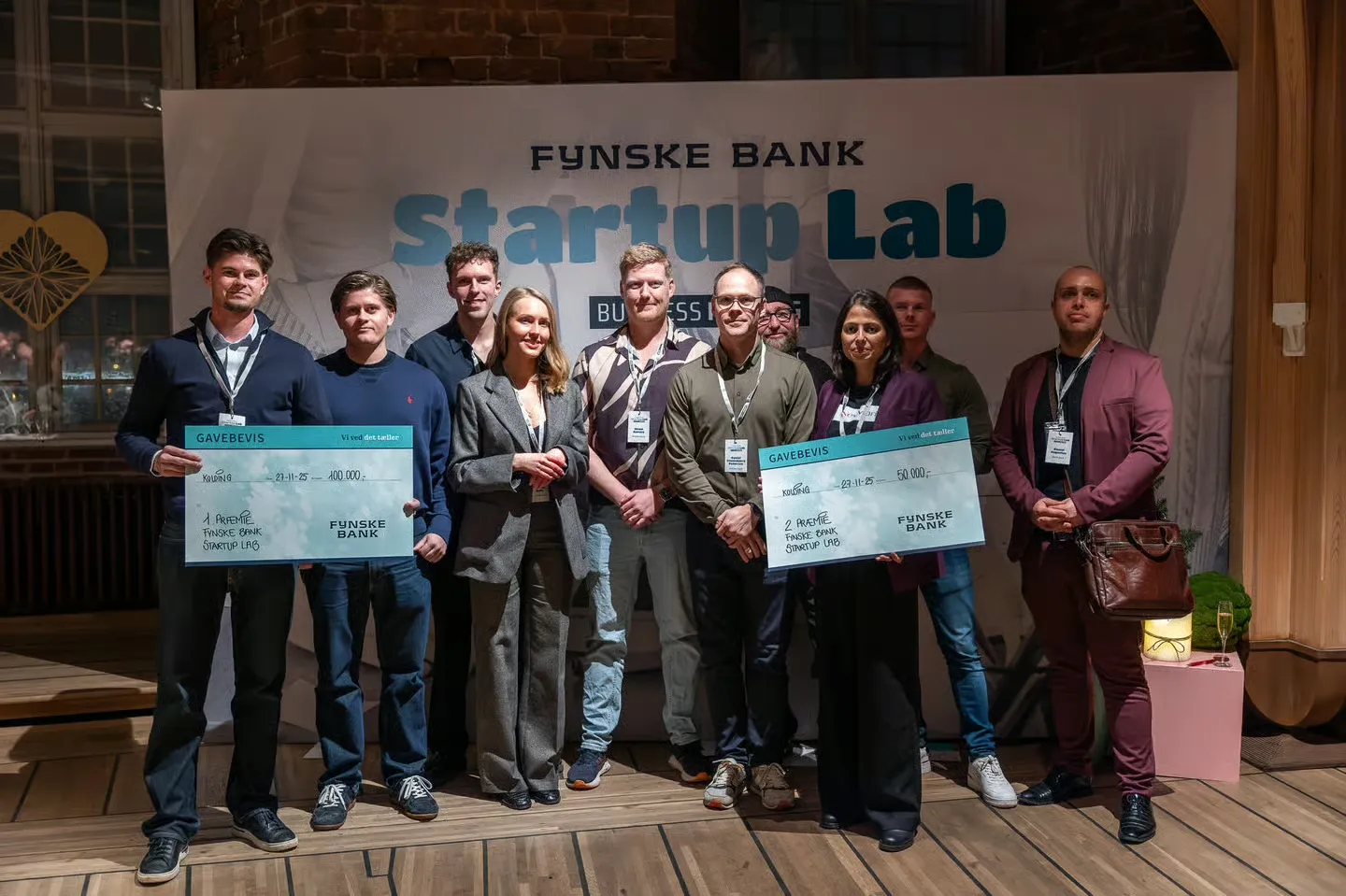
The Fynske Bank Startup Lab 2025 finalists on stage at Koldinghus, with the first- and second-prize cheques. Deepvis has won Fynske Bank Startup Lab 2025. The final was decided on Thursday at Koldinghus, where seven companies competed for a total prize pool of DKK 150,000. Deepvis took first place and DKK 100,000 from Fonden Fynske Bank, along with advisory support for the road ahead."This feels like a huge win. We have only been going for a year, and we have worked 80–90 hours a week. We have achieved a lot in a short time. Winning Fynske Bank Startup Lab makes an enormous difference to us, because it shows that our hard work and our direction are right, and we can see the point of it all." — Carl Fagerlund, founder of DeepvisWhy the jury picked Deepvis Deepvis has built a camera system based on artificial intelligence that inspects and quality-assures plastic and metal destined for recycling. As Danish and European legislation tightens over the coming years, hitting the required recycling percentages depends on the sorted material being of stable quality — and that, according to the Startup Lab jury, is where the technology can make a real difference. The panel agreed that the future potential, and the distance Deepvis has already covered with its own software, was what secured the win. Second place, and DKK 50,000, went to NextMariner, a recruitment platform for the maritime industry that combines elements of LinkedIn and Trustpilot. The programme Fynske Bank Startup Lab is a collaboration between Fynske Bank and Business Kolding. The 2025 edition began on 29 September at Pakhuset in Kolding, where 13 selected companies pitched to a panel of judges. Further pitch rounds followed in Odense and Aarhus, then specialised workshops, and a semi-final bootcamp at Houens Odde by Kolding Fjord. The programme is aimed at entrepreneurs and early-stage companies looking to sharpen their business concept, covering everything from Lean Canvas and pricing to online marketing and customer journeys. The seven finalistsBule (Nordborg) Deepvis (Aalborg) FAR BREWING (Langeskov) NextMariner (Odense) NordicHug (Kolding) StutterTech (Aarhus) Verbu (Nyborg)The juryEhsanullah Ekhlas — co-founder and CEO, Unicontrol René Piper Laursen — founder and co-owner, PARK Styling Tina Søgaard — founder and co-owner, Ecooking Morten Skov — Regional Director, Fynske Bank Morten Bjørn Hansen — Director, Business KoldingCarl Fagerlund took the stage alongside his twin brother Mads Fagerlund."We have worked hard to communicate the company properly to both customers and investors, and this win is a huge validation for us. We are enormously pleased that all our hard work is paying off. That is what makes me happiest tonight." — Carl FagerlundSource: Fynske Bank — "Vinderen er fundet: AI-virksomhed løb med sejren i Fynske Bank Startup Lab", 28 November 2025. Quotes translated from Danish.
by Carl Fagerlund
15 Oct, 2025
1 min read
Deepvis Wins the AAU Startup Grant
Carl and Mads Fagerlund, founders of Deepvis. Aalborg University has named Deepvis a winner of the AAU Startup Legat 2025 — the university's startup grant — with the citation "technology solutions with a clear strategy and evident customer value." The problem we put in the application Plastics and packaging manufacturers usually discover defects on their products too late — either late in production or at the customer. Manual quality control is unreliable, and the existing technical solutions are too expensive and too complex for most manufacturers. Deepvis builds an AI-driven camera system that checks product quality directly on the production line in real time. That lets manufacturers reduce waste, save time and deliver better quality — without needing specialist skills to operate it. What the grant actually paid for"The grant made a concrete difference. We have been able to buy the hardware we need to develop and test our system properly, and we have had the opportunity to find our first student employee. That gave us a real lift in both technical progress and capacity."Two things that are easy to underestimate from outside: the hardware to test against real parts, and a second pair of hands. What comes next We are raising capital to convert our pilot installations into paying customers, and working on partnerships with automation houses that can help us scale sales across Europe. Source: Aalborg University — "Vinder af AAU Startup Legat 2025: Deepvis". Quotes translated from Danish. The page carries no publication date, only the year — the date on this post is approximate.

by Carl Fagerlund
04 Apr, 2025
2 min read
Deepvis and Robinson Packaging Partner to Pioneer the Future of Quality Control in Plastics Manufacturing
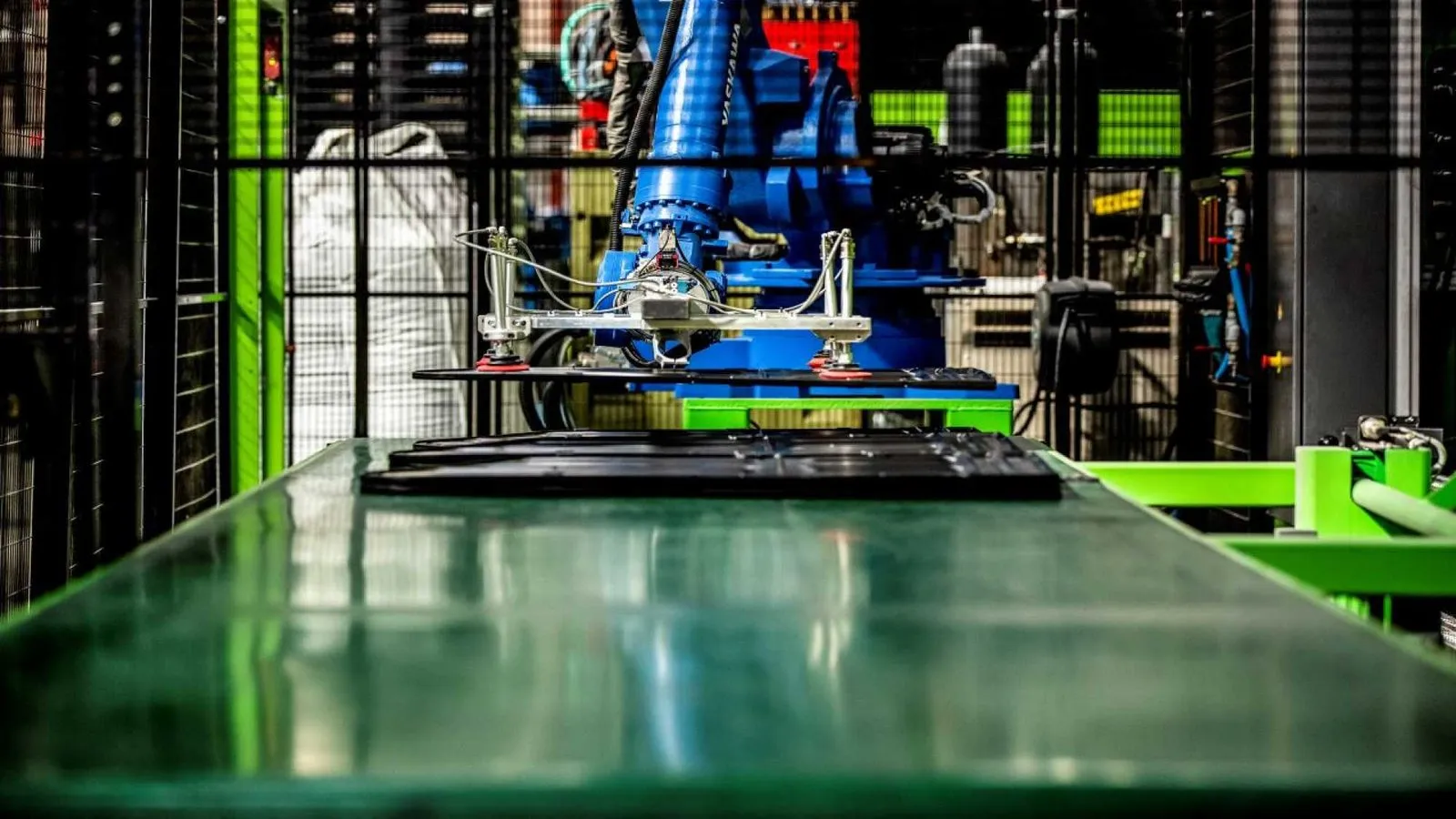
Deepvis has officially entered a pilot collaboration with Robinson Packaging to deploy its AI-powered vision system on a live production line. The aim? To redefine how visual quality control is done in high-speed plastics manufacturing. Who Are the Partners? Deepvis is an AI solution designed specifically for 24/7 automated quality inspection in plastic production environments. Unlike traditional vision systems that rely on fixed rules and constant reprogramming, Deepvis’s model continuously learns, adapts to new products, and reduces downtime with no need for manual configuration. Robinson Packaging is a leading manufacturer of plastic components and packaging solutions known for their precision, flexibility, and sustainability efforts. They serve a wide range of industries and maintain high standards in quality and traceability. Why This Collaboration Matters The pilot was launched to explore how Deepvis’s proprietary AI model could be integrated into Robinson’s inspection processes. The initial focus is on one of Robinson’s high-volume production lines, where Deepvis will handle real-time detection and classification of visual defects. This marks Deepvis’s first industrial deployment and is an important milestone in proving the system’s commercial value. How the Technology WorksPlug-and-play setup with no manual configuration required when switching products. Continual learning based on production data and operator feedback. Automatic classification of detected defects into their trained classes. Real-time insights with no production downtime and full traceability.The collaboration is expected to reduce false positives, improve reaction time to quality issues, and give Robinson a scalable way to document and respond to product variations.“We’re excited to launch this pilot with Robinson. They’re forward-thinking and committed to quality, which makes them an ideal partner to validate our technology in real-world conditions.”— Carl Fagerlund, Co-founder, DeepvisWhat's Next? If the pilot proves successful, the plan is to expand Deepvis’s AI solution to additional production lines and explore its integration into broader quality and traceability strategies. For Deepvis, the partnership is a key proof point in scaling across the manufacturing sector.
by Carl Fagerlund
26 Mar, 2025
2 min read
AVK Plast and Deepvis Collaborate to Advance AI-Powered Quality Inspection in Plastics Manufacturing
Deepvis and AVK Plast have entered a strategic collaboration to implement next-generation AI-based quality inspection in industrial plastics manufacturing. The partnership is designed to explore how continuous, self-improving computer vision systems can support AVK Plast’s high standards for reliability and traceability. Introduction Deepvis is an innovative AI platform built to automate visual inspection and quality control on production lines. Its proprietary model is designed specifically for manufacturing environments where flexibility, speed, and precision are critical. Unlike traditional vision systems that rely on manual configuration, Deepvis’s AI continuously learns and adapts to defect patterns in real time. AVK Plast is part of the global AVK Group and serves as a key supplier of high-performance plastic components for pallets, waste containers and climate products with special focus on recycled materials. Known for their precision molding capabilities and rigorous quality demands, AVK Plast operates at the intersection of innovation, consistency, and compliance. Why This Partnership Matters AVK Plast initiated this collaboration with Deepvis as part of a broader effort to optimize quality assurance, reduce manual inspection burdens, and ensure documentation that supports traceability and audit requirements. The pilot will focus on a specific production line where Deepvis’s AI model will be deployed to inspect plastic components in real-time. The aim is to validate the system’s ability to detect both common and rare defect types, automatically classify them, and generate high-resolution data for process improvement and traceability. This project is a vital real-world validation case and a unique opportunity to tailor the technology to the specific operational needs of AVK Plast. The Technology and Its Value Deepvis’s AI model is developed in-house and trained specifically on manufacturing data. Key benefits of the solution include:Automatic defect detection and classification: Every detection assigned to its trained class. Real-time quality data: Enabling full transparency across shifts, batches, and product variants. Operator-assisted learning: The system improves with every labeled example and operator confirmation, building a robust dataset over time.This approach not only streamlines visual inspection but also contributes to reducing false positives, eliminating process drift, and creating a unified quality reporting layer across AVK Plast's production flow on the machine. Statements from the Teams“Collaborating with AVK Plast is a major milestone for us. Their commitment to quality, lean processes, and traceability makes them an ideal partner to validate and shape Deepvis’s solution for industrial-scale deployment.”— Carl Fagerlund, Co-founder, DeepvisFuture Outlook If successful, the pilot may pave the way for a broader rollout across additional lines or facilities within AVK Plast's operations. The collaboration could also serve as a foundation for international scaling and deeper integration with other AI quality initiatives. For Deepvis, this project is not only a commercial milestone but a step toward shaping the future of visual quality assurance—one that combines human insight with self-learning AI to drive manufacturing excellence. Stay tuned as the partnership evolves and helps redefine quality control in plastics production.
by Carl Fagerlund
24 Feb, 2025
2 min read
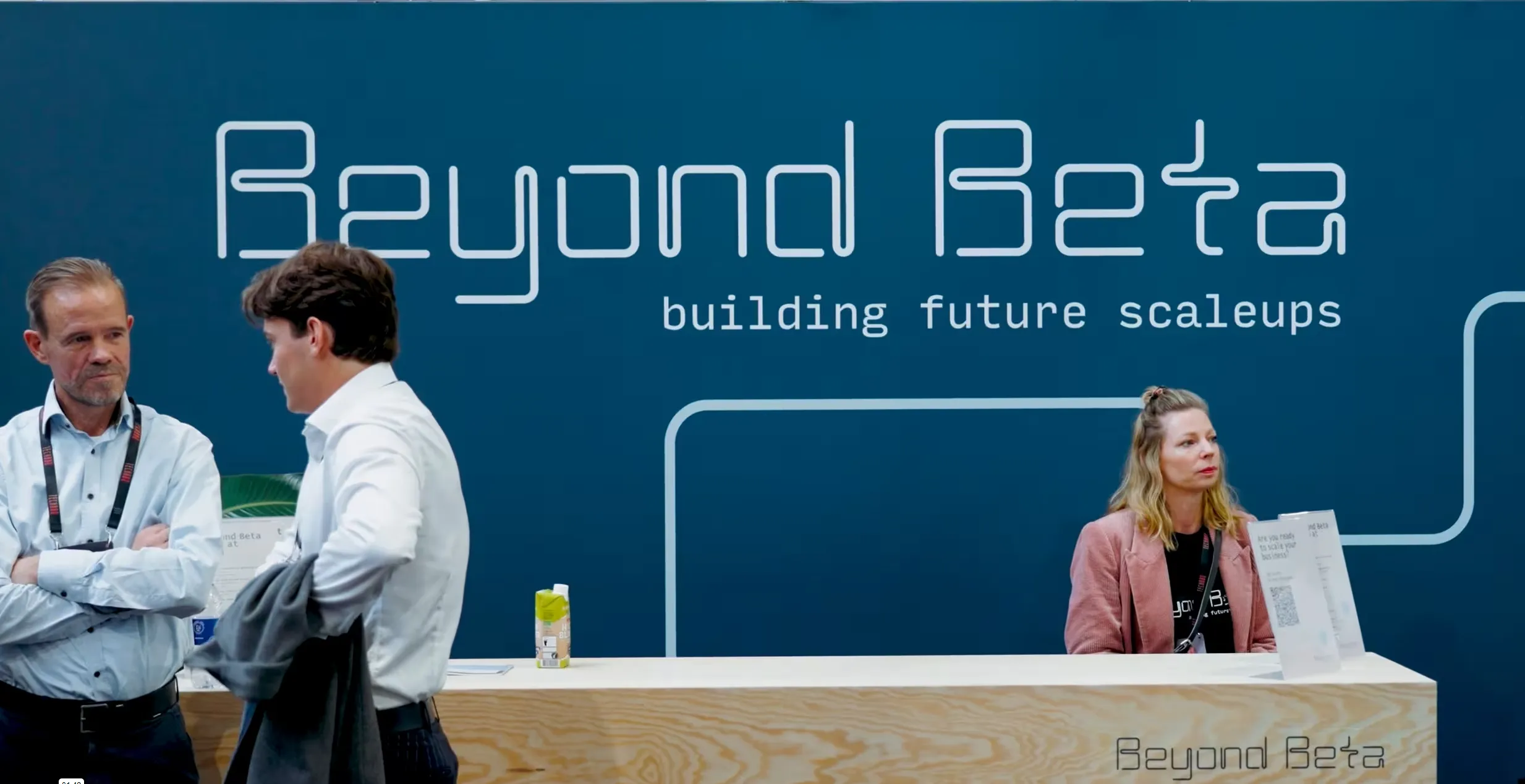
Deepvis Joins Beyond Beta
A Major Leap Toward Scaling AI-Powered Quality Control "Getting accepted into Beyond Beta is a massive vote of confidence in our mission to modernize quality control with AI. We're excited to learn, grow, and scale with the best minds in the startup ecosystem."— Carl Fagerlund, Founder of Deepvis Deepvis, the Danish startup transforming industrial quality control with intelligent, camera-based defect detection, has officially been accepted into Beyond Beta— One of Denmark’s largest and most structured startup accelerator. This marks a significant milestone in Deepvis’s journey to scale its AI-powered inspection system across global manufacturing lines. With its proprietary, continually learning AI model, Deepvis helps plastic manufacturers detect defects in real time, without the need for constant system reconfiguration. The result: less downtime, higher accuracy, and reduced reliance on manual labor. Having already secured key pilot projects, Deepvis is entering a phase of rapid development—and Beyond Beta is the perfect launchpad. About Beyond Beta Backed by Accelerace, TechBBQ, The Danish Business Hubs, and 11 leading industry clusters, Beyond Beta is one of Denmark’s most expansive accelerator initiative. Since its launch in 2020, the program has:Accelerated more than 600 startups Helped 60% of participants raise funding Generated over DKK 175 million in investment Fueled 28% average team growth (FTEs)Inside the Program: A Tailored Growth Journey Beyond Beta’s accelerator is modular by design, making it ideal for fast-moving startups like Deepvis. The journey begins with a free pre-accelerator, covering:Product–market fit Leadership and culture Business models Sales execution Funding strategy Scaling and internationalizationDeepvis will then move into the 5-month core accelerator, supported by two dedicated mentors—an industry expert and a startup specialist—offering tailored, unbiased guidance throughout the journey. Why Deepvis and Beyond Beta Are a Perfect Match Deepvis’s vision—to make 24/7 quality control scalable, accessible, and fully automated—fits squarely with Beyond Beta’s emphasis on scalability, sector insight, and international potential. With investor readiness training, founder-focused mentoring, and the opportunity to showcase at events like TechBBQ, Beyond Beta offers exactly the tools Deepvis needs to:Professionalize its go-to-market strategy Accelerate customer acquisition Secure strategic funding Prepare for international expansionWhat’s Next: Growth, Funding, and Expansion By participating in Beyond Beta, Deepvis expects to:Sharpen its commercial strategy and leadership structure Access top-tier mentors and domain experts Accelerate its path to pre-seed/seed funding (alumni typically raise around DKK 3.3 million during the program) Expand its reach into new international marketsFollow the Journey Deepvis’s acceptance into Beyond Beta signals the start of a transformative chapter. In the months ahead, the team will participate in expert mentor sessions, refine their strategy, and pitch to investors—culminating in major exposure at TechBBQ. Stay tuned as Deepvis advances its mission to revolutionize quality control with AI and scales into new markets.
Explore Smarter Quality Control with Deepvis
Discover how AI-driven visual inspection can reduce errors, cut costs, and adapt to your production line — without complex setups.